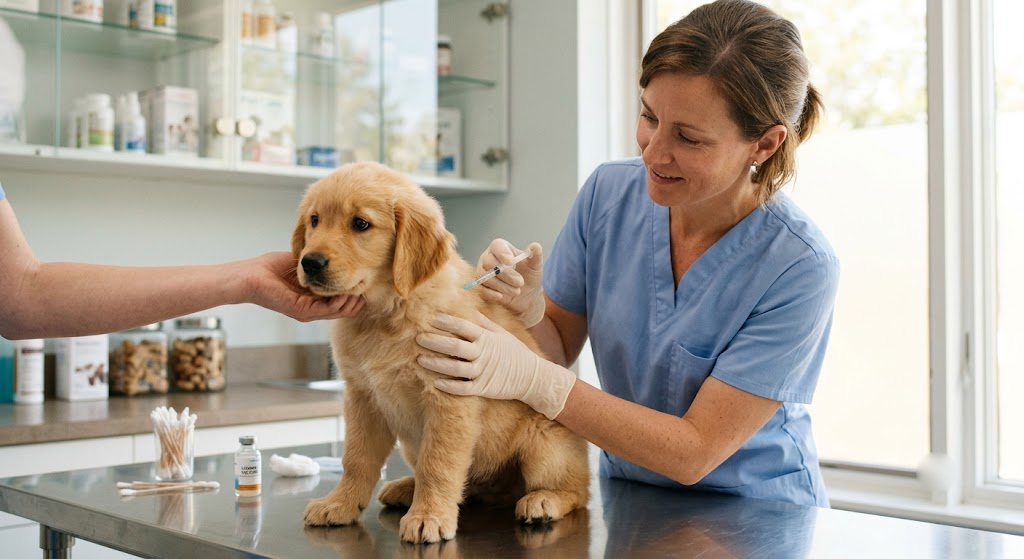
Here's the vaccination schedule, straight up: your puppy needs a core round of shots starting at 6 to 8 weeks, followed by boosters every 2 to 4 weeks, wrapping up with a final dose at 16 weeks or later, plus rabies somewhere in that window depending on your state. That's the skeleton. Everything else, the lifestyle vaccines, the timing arguments, the "why does my vet's schedule look different from the label" confusion, hangs off that frame.
I've watched new puppy owners walk into a clinic thinking vaccination is basically like a car oil change. Show up, get the shot, done. It's not that simple, and frankly, treating it that way is how puppies end up under-protected during the exact weeks they're most vulnerable to something like parvovirus. There's a reason vets don't just give one giant combination vaccine at 8 weeks and call it a day. The whole schedule exists because of a biological quirk that has nothing to do with convenience and everything to do with how a newborn's immune system actually works.
Why Do Puppies Need Vaccines on a Schedule?
A puppy isn't just a small dog. Immunologically, it's practically a different animal for the first four months of life, and that's the whole reason a schedule exists instead of a single shot. Vets aren't spacing doses out to make more appointments. They're chasing a moving target inside your puppy's bloodstream, one that closes and reopens depending on how much protection got passed down from mom.
How Maternal Antibodies Affect Timing
Here's the part most people never get told clearly. Puppies nurse in the first hours of life and absorb something called colostrum, which is loaded with maternal antibodies. Those antibodies protect the pup from distemper, parvovirus, and other nasties for a while, but they also block vaccines from working. If you vaccinate too early, the maternal antibodies just neutralize the vaccine before the puppy's own immune system ever notices it happened. The AAHA's clinical breakdown on canine distemper explains this bluntly, noting that maternally derived antibodies can interfere with modified-live vaccines until somewhere around 12 to 14 weeks of age.
The problem is nobody knows exactly when any individual puppy's maternal antibodies drop low enough to stop interfering. It varies litter to litter, sometimes pup to pup within the same litter. That's why the schedule isn't one shot, it's a series, fired at 2 to 4 week intervals, so that whenever that antibody window opens, there's a vaccine dose sitting there ready to trigger real immunity. Miss the window with too few doses and your puppy might look vaccinated on paper while carrying zero actual protection.
What Happens If You Skip or Delay Doses
Skipping a dose doesn't just mean "catch up later, no harm done." Every missed booster is a gap where a puppy could be exposed to something like canine parvovirus, which spreads through contaminated feces and can survive in soil for months. Puppy parks, pet store floors, sidewalks where an unvaccinated dog relieved itself last week, all of it is a risk. Parvovirus alone kills a disturbing percentage of untreated puppies, and the AVMA's own client brochure on the disease is direct about it: puppies need that final dose at or after 16 weeks regardless of how many earlier shots they got, because that's the age most reliably clear of interfering maternal antibodies.
Delay too long between doses and you're not "playing it safe," you're stretching out the exact window where a puppy has neither full maternal protection nor a completed vaccine series. I get why holistic-leaning owners want to slow things down or wait for titer testing, and there's a place for that conversation with a vet who knows the individual dog. But for the average pup living in the average neighborhood, that gap is exactly when things go wrong.
What Are Core Vaccines for Puppies?
Core vaccines are non-negotiable. These aren't the "nice to have if your dog does agility classes" shots. They protect against diseases that are widespread, often fatal, and in one case, a public health issue that goes beyond your dog entirely.
Distemper, Parvovirus, and Adenovirus (DHP)
DHP, sometimes written DHPP or DA2PP depending on the clinic, bundles protection against distemper, hepatitis (caused by adenovirus), and parvovirus into a single combination vaccine. Distemper attacks the respiratory, gastrointestinal, and nervous systems, and it's brutal, still showing up in unvaccinated populations and wildlife reservoirs like raccoons. Adenovirus causes infectious canine hepatitis, inflammation of the liver that can turn fatal fast in young puppies. Parvovirus, the one every vet tech seems to have a horror story about, causes severe vomiting, bloody diarrhea, and dehydration so fast that puppies can crash within a day of symptoms starting.
The AAHA's parvovirus-specific guidance is clear that revaccination every 2 to 4 weeks is necessary until the puppy is past 16 weeks old, precisely because this virus is the one most likely to slip through if maternal antibodies linger a bit longer than expected. This combination vaccine is the backbone of the entire puppy vaccination schedule, and honestly, it's the one nobody should be negotiating on.
Rabies Vaccine Requirements
Rabies is different from the rest of the DHP lineup because it's not just a dog health issue, it's a legal one. Nearly every state requires it, and for good reason. It's fatal, it's zoonotic, meaning it jumps from infected animals to humans, and once symptoms show up there's no cure. Most jurisdictions require the first rabies vaccine between 12 and 16 weeks of age, though the exact age and required boosters depend on your specific state law, so it's worth checking with your vet what your county actually mandates. Some clinics fold it into the same visit as the final DHP booster, which is why that 16-week appointment tends to feel like the "big one" on the calendar.
What Are Non-Core Vaccines and Does Your Puppy Need Them?
Non-core, or lifestyle vaccines, aren't about how dangerous a disease is in the abstract. They're about whether your specific pup is actually going to be exposed to it. A city apartment dog and a rural farm dog are functionally living different lives, disease-wise, and their vaccine protocols should reflect that.
Bordetella for Daycare or Boarding Dogs
Bordetella bronchiseptica is the bacterial disease behind most cases of kennel cough, that awful honking cough you hear from dogs stacked together at boarding facilities or dog daycare. It's rarely life-threatening on its own, but it's miserable and wildly contagious in close quarters. If your dog's social calendar involves daycare, grooming appointments, or boarding, most facilities will actually require proof of this vaccine before they let your pup through the door.
Leptospirosis for Outdoor or Rural Exposure
Leptospirosis used to get treated as a regional, farm-dog concern. That's changed. Lepto spreads through urine-contaminated water, and with more suburban development pushing into wildlife habitat, standing puddles and creek water carry more risk than they used to. It's also zoonotic, which raises the stakes. The AAHA's shelter-specific protocol actually recommends dogs older than 12 weeks receive a quadrivalent leptospirosis vaccine alongside rabies on intake, which tells you how seriously shelters treat exposure risk in transient dog populations.
Canine Influenza and Lyme Disease Risk Factors
Canine influenza spreads in the same crowded environments as kennel cough, dog parks, boarding kennels, group training classes, and it's worth asking your vet about if your dog is social. Lyme disease is a different animal entirely, tied directly to tick exposure, particularly in wooded or grassy regions with high deer populations. If you're hiking with your dog regularly or living somewhere ticks are a real seasonal problem, Lyme vaccination becomes a real conversation rather than an afterthought. None of these are automatic. They're decisions made based on where your dog lives, what your dog does, and what's actually circulating locally.
What Is the Full Puppy Vaccination Schedule by Age?
Here's roughly how it breaks down, though your vet may shift things slightly based on the specific vaccine brand and your puppy's individual risk profile.
6 to 8 Weeks Shots
This is round one, and it's mostly about starting the clock. The first DHP dose goes in, though at this age it's still competing against whatever maternal antibodies are left over. Some vets will start Bordetella here too if a puppy's headed to daycare early, though that's clinic-dependent.
10 to 12 Weeks Shots
Round two. The second DHP dose reinforces whatever immunity started building, and this is usually when leptospirosis enters the conversation if your household fits the exposure profile. Some regions with heavy canine influenza circulation will start that series here as well.
14 to 16 Weeks Shots
This is the finish line for the initial series, and it's non-negotiable timing-wise. The final DHP dose has to land at or after 16 weeks specifically because that's the age most puppies have fully cleared maternal antibody interference, according to UC Davis's veterinary teaching hospital guidelines, which flatly state the last core dose shouldn't be given earlier than that. Rabies typically gets administered in this same window, often the same visit.
Adult Dog Booster Schedule
Once your puppy crosses into adulthood, usually marked around the one-year point, they'll need a DHP booster and a rabies booster, and after that the intervals stretch out, often to every three years for core vaccines depending on the product used and your vet's protocol. Lifestyle vaccines like Bordetella or canine influenza typically stay annual since that immunity fades faster.
Why Does My Vet's Schedule Differ from the Vaccine Label?
I see this exact confusion pop up constantly, and it deserves a real answer instead of a shrug. People compare the vaccine box insert to what their clinic actually did, notice a mismatch, and assume someone screwed up. Usually nobody did.
Manufacturer Guidelines vs Clinic Protocols
Manufacturer labels are written from controlled study conditions, basically the cleanest possible scenario for that specific product. Clinics, meanwhile, are running bundled protocols built around what actually protects puppies in their specific patient population, factoring in regional disease prevalence and the combination products they stock. That's why you'll see posts online along the lines of "4 weeks between puppy vaccinations, since when?!" It's not that the interval is wrong. It's that the person is comparing two different documents that were never meant to be identical in the first place, the label's idealized timeline versus the clinic's real-world sequencing.
How Your Puppy's Risk Level Changes the Timeline
Picture two puppies born the same week. One lives in a quiet household with minimal outside contact, no dog parks, no daycare. The other is out constantly, busy sidewalks, dog-heavy neighborhoods, frequent boarding. Same age, wildly different exposure risk. A vet might still use identical core vaccines for both, but the urgency and spacing logic shifts based on that risk picture. If your vet can explain why your specific schedule looks the way it does, tied to your puppy's exposure, prior doses, and the product being used, that's a good sign. If they can't explain it at all, that's worth pushing on, not because the label is gospel, but because you deserve to understand the plan you're signing off on.
What Side Effects Should You Expect After Puppy Vaccines?
Most puppies handle vaccines fine, maybe a little sluggish for a day. Mild fever, soreness at the injection site, or a short bout of low energy are common and generally resolve within 24 to 48 hours without any intervention. Some pups get a small, firm lump under the skin at the injection site that fades over a week or two.
What you actually need to watch for is different: facial swelling, hives, repeated vomiting, difficulty breathing, or collapse shortly after a vaccine appointment. These point toward an allergic reaction and need a vet's attention immediately, not a wait-and-see approach. It's rare, but it happens more in smaller breeds and certain sensitive individuals, and clinics generally recommend sticking around the office for 15 to 30 minutes post-shot specifically to catch this early rather than dealing with it in the parking lot.
How Does Deworming Fit Into the Vaccination Schedule?
Deworming usually runs parallel to the vaccine schedule, not as a replacement for it or an afterthought tacked on. Puppies are commonly born with roundworms passed from the mother, or pick up worms from the environment shortly after birth, so most vets deworm starting at 2 weeks of age and repeat every 2 to 3 weeks through the initial vaccine series. Heartworm prevention, along with flea and tick control, typically starts a bit later, often around 8 weeks, and continues as ongoing preventive care rather than a one-time event. None of this replaces core vaccination. Parasite control handles a completely separate set of threats, worms and external parasites, while vaccines handle viral and bacterial disease. Both run on their own timelines, side by side.
How Much Does a Puppy Vaccination Schedule Cost?
Costs vary a fair amount depending on your region and whether you're going through a full-service vet clinic or a lower-cost vaccine clinic through a shelter or nonprofit. Generally, expect somewhere between 75 and 200 dollars per visit for the core vaccine round, with the full initial series running anywhere from 200 to 500 dollars total once you factor in the exam fees, the DHP doses, and rabies. Non-core additions like Bordetella, leptospirosis, or canine influenza usually add another 20 to 40 dollars per vaccine. Combination vaccine bundles sometimes bring the per-visit cost down slightly compared to paying for each antigen separately, so it's worth asking your vet whether a bundled option makes sense for your pup's specific needs.
Follow-Up Questions Puppy Owners Often Ask
A lot of the questions I see repeated boil down to timing anxiety, understandably. Can I still take my puppy outside before the series is done? Cautiously, yes, but avoid dog parks, pet stores, and areas with unknown dog traffic until at least a week or two after that final 16-week dose. Do titers replace the schedule? Not officially. The AVMA's material on antibody titers is direct that titer testing evaluates current immunity status but doesn't serve as an official substitute for the standard series, though some vets use titers later in adulthood to inform booster decisions. Does breed affect the schedule? Not the timing itself, though certain breeds, like German Shepherds and some sheepdog lines, have documented sensitivities to specific vaccine components worth flagging with your vet ahead of time.
Conclusion
Strip away the confusion and the internet panic-scrolling, and the puppy vaccination schedule is really just biology doing what biology does: closing a protective gap left by mom's antibodies and replacing it with the puppy's own immunity, on a timeline that science has mapped out pretty thoroughly at this point. Core vaccines aren't up for debate. Non-core ones are a conversation about your specific dog's life. And when your vet's schedule looks a little different from what the box says, that's usually not a mistake, it's just real-world medicine adjusting to a real puppy instead of a lab scenario. Ask questions, sure. Just make sure you're asking the right ones.